
Chiropractic support for motor vehicle accident-related muscle spasms involves addressing misaligned vertebrae, nerve impingements, and muscle tone imbalances through adjustments, therapy, and education. This holistic approach provides immediate relief, speeds healing, and improves overall physical function. Chiropractors manipulate muscles and joints, teach posture correction, and offer ergonomic guidance to prevent future spasms.
After a motor vehicle accident, muscle contractions and spasms are common and can significantly impact recovery. This article explores the effects of these post-injury spasms and how chiropractic support can play a crucial role in managing them effectively. We delve into the understanding of muscle contractions after an injury and provide insights into specific techniques that chiropractors employ to alleviate pain and promote healing, ensuring a smoother path to full recovery for patients.
- Understanding Muscle Contractions After an Injury
- The Role of Chiropractic Care in Recovery
- Effective Techniques for Managing Spasms Post-Accident
Understanding Muscle Contractions After an Injury

After a car accident or other traumatic event, it's common to experience muscle contractions and spasms. These intense, involuntary contractions can occur as your body's natural response to protect injured areas. They're often most pronounced immediately after the injury and can persist for days or even weeks as your muscles adjust and heal. Chiropractic support is an effective approach to managing these post-injury muscle spasms.
Chiropractors are trained to identify and address the underlying causes of muscle contractions, which may include misaligned vertebrae, nerve impingements, or imbalances in muscle tone. Through a combination of spinal adjustments, soft tissue therapy, and patient education, chiropractors can provide targeted relief from muscle spasms related to motor vehicle accidents. This holistic approach not only eases discomfort but also promotes faster healing and improved overall function.
The Role of Chiropractic Care in Recovery

Chiropractic care plays a pivotal role in post-injury recovery, especially for individuals who have experienced a motor vehicle accident and are dealing with muscle contractions or spasms. This natural, non-invasive approach focuses on the spine and nervous system, aiming to reduce pain, improve mobility, and restore proper function. Chiropractic support for motor vehicle accident-related muscle spasms involves several techniques such as spinal manipulation, soft tissue therapy, and exercise recommendations tailored to the patient's needs.
Through these methods, chiropractors help alleviate the severe muscle contractions often associated with auto accident injuries. By promoting relaxation and reducing inflammation in affected muscles, chiropractic care facilitates a more comfortable recovery process. Additionally, it empowers patients with knowledge and exercises to maintain their progress between treatments, ensuring a proactive approach to their road to full recovery.
Effective Techniques for Managing Spasms Post-Accident
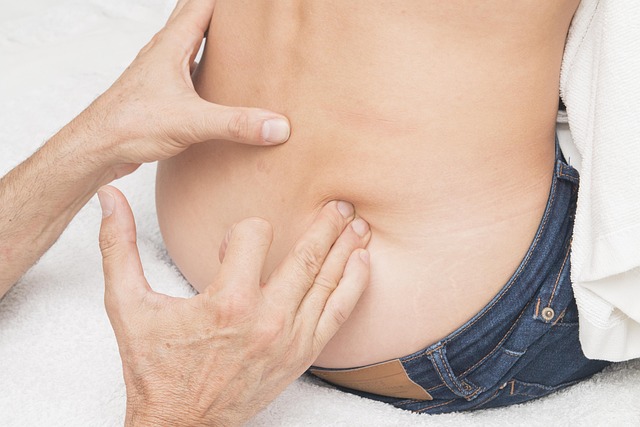
After a motor vehicle accident, experiencing muscle contractions and spasms is not uncommon. Chiropractor care can play a vital role in managing these post-injury symptoms. One of the primary techniques employed is manual therapy, where a chiropractor uses controlled, precise movements to manipulate affected muscles and joints, alleviating tension and spasm.
Additionally, they may recommend targeted exercises tailored to strengthen and stabilize injured areas, while also providing education on posture correction and ergonomic adjustments to prevent future spasms. The goal of chiropractic support for motor vehicle accident-related muscle spasms is not only to offer immediate relief but also to promote long-term healing and restore optimal physical function.
After a motor vehicle accident, experiencing muscle contractions and spasms is common. Chiropractor care offers effective relief and plays a vital role in post-injury recovery by addressing these spasms. Through specialized techniques, chiropractors provide natural, non-invasive treatments to manage pain and promote healing for patients seeking chiropractic support for motor vehicle accident-related muscle spasms.