
Chiropractic support for motor vehicle accident-related muscle spasms naturally offers a non-invasive treatment using manual adjustments, exercise, stretching, and strengthening to address root causes, providing long-term relief and preventing chronic pain without heavy medication or surgery.
Back and neck spasms following a motor vehicle accident can significantly impair mobility and quality of life. These painful muscle contractions often persist, leading to chronic discomfort and reduced functional capacity. Chiropractic support has emerged as a natural and effective approach to managing such post-accident muscle spasms. This article delves into the mechanisms behind these spasms and explores how chiropractic care, with its emphasis on hands-on manipulation and holistic treatment, offers a safe and reliable method for alleviating pain and promoting healing. By understanding this evidence-based practice, individuals can take proactive steps toward recovering from accident-related injuries naturally.
- Understanding Back and Neck Spasms After an Accident
- Natural Remedies for Motor Vehicle Accident Muscle Spasm Relief
- Chiropractic Care: A Natural Approach to Long-Term Management
Understanding Back and Neck Spasms After an Accident

Back and neck spasms following a motor vehicle accident are common symptoms that require careful management. These spasms often result from the sudden impact and subsequent muscle strain, leading to tight, painful contractions in the affected areas. Understanding the mechanisms behind these spasms is crucial for effective treatment. Chiropractic care has emerged as a valuable approach to managing post-accident muscle spasms, offering natural relief without relying on heavy medication.
Chiropractors utilize a range of techniques, including manual adjustments and specific exercise protocols, to reduce spasms and improve mobility. Adjustments help restore joint function and alleviate nerve compression, addressing the root cause of pain. Additionally, chiropractic support for motor vehicle accident-related muscle spasms often involves targeted stretching and strengthening exercises. These exercises are tailored to recondition overworked muscles and prevent future episodes. For instance, a study published in the Journal of Chiropractic Medicine found that patients experiencing neck spasms after a car accident showed significant improvement with chiropractic care, reporting reduced pain and increased range of motion.
Practical advice for individuals post-accident is to seek prompt evaluation by a healthcare professional, especially a chiropractor. Early intervention can prevent spasms from becoming chronic. Regular sessions focusing on spinal manipulation and exercise therapy have shown promising results in managing acute muscle spasms. It is essential to follow the treatment plan and maintain consistent care to ensure optimal recovery. Remember, chiropractic support offers a holistic approach, considering not just symptoms but also the underlying causes, leading to more sustainable relief.
Natural Remedies for Motor Vehicle Accident Muscle Spasm Relief
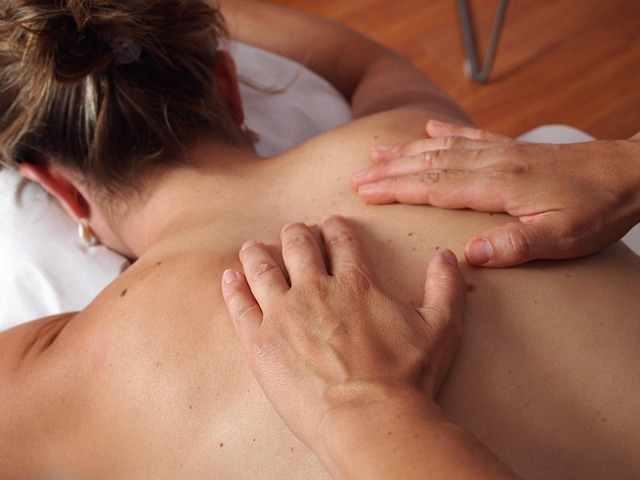
Motor vehicle accidents (MVA) can cause a range of injuries, among them, severe muscle spasms in the back and neck. While medical intervention is often necessary, there are natural remedies that can offer significant relief. Chiropractic support stands out as an effective, non-invasive approach to managing motor vehicle accident-related muscle spasms. This holistic therapy focuses on the alignment and mobility of the spine, addressing the root cause of the spasms rather than merely masking symptoms.
Chiropractors employ various techniques such as manual adjustments, targeted stretching, and therapeutic exercises to reduce tension in affected muscles and restore range of motion. Research supports the efficacy of chiropractic care for musculoskeletal conditions, including those stemming from MVAs. A study published in the Journal of Manipulative and Physical Therapy found that patients experiencing neck pain and muscle spasms following an MVA showed substantial improvements after receiving chiropractic adjustments.
In addition to chiropractic support, other natural remedies can complement recovery. Application of heat or ice packs can help relax muscles and reduce inflammation. Gentle stretching exercises, such as those taught by a physical therapist, can improve flexibility and range of motion. Incorporating stress-reducing practices like yoga or meditation may also alleviate muscle tension associated with the trauma of an accident. Combining these natural remedies with professional chiropractic support offers a comprehensive approach to managing and alleviating back and neck spasm symptoms following a motor vehicle accident.
Chiropractic Care: A Natural Approach to Long-Term Management

Chiropractic care offers a natural and effective approach to managing back and neck spasms, particularly after motor vehicle accidents. This holistic treatment method focuses on addressing the underlying causes of muscle tension and pain rather than merely relieving symptoms temporarily. Chiropractors use a range of techniques, including spinal manipulation, soft tissue therapy, and exercise programs, to improve joint mobility, reduce inflammation, and promote self-healing.
One of the key advantages of chiropractic support for motor vehicle accident-related muscle spasms is its long-term effectiveness. Unlike some medications that may provide quick relief but have potential side effects and do not address the root issues, chiropractic care aims to restore the body's natural alignment and function. Studies have shown that chiropractic manipulation can significantly reduce pain and improve mobility in individuals suffering from chronic neck and back pain, often resulting in decreased reliance on medication and surgical interventions.
Chiropractic practitioners tailor their treatment plans to each patient's unique needs, making it an adaptable and personalized approach. For example, a patient involved in a car accident may experience spasms not only in the immediate impact zone but also in connected muscle groups due to compensation mechanisms. A skilled chiropractor will assess the entire musculoskeletal system, providing specific adjustments and recommendations for stretching and strengthening exercises to target these compensatory patterns. Regular chiropractic care can help prevent the development of chronic pain and disability often associated with motor vehicle accidents.
Back and neck spasms following an accident are a common yet uncomfortable experience. This article has illuminated several effective management strategies, highlighting the significance of understanding the root cause, utilizing natural remedies, and considering chiropractic care. Key insights include the power of natural relief through heat therapy, stretching, massage, and over-the-counter medications. Additionally, chiropractic support for motor vehicle accident-related muscle spasms naturally stands out as a holistic, long-term solution, offering precise adjustments to alleviate pain and improve mobility. By combining these approaches, individuals can actively manage their symptoms, promote healing, and regain control over their well-being post-accident. This comprehensive guide equips readers with the knowledge to make informed decisions towards an efficient recovery process.