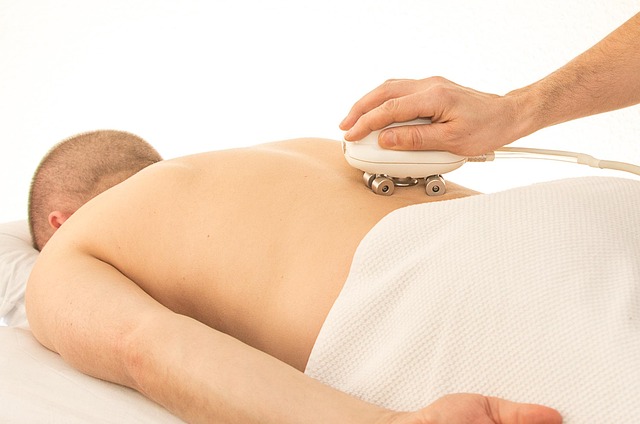
Chiropractic support for motor vehicle accident-related muscle spasms naturally utilizes drug-free techniques to address spine misalignments, offering significant improvements in pain reduction and patient satisfaction. Regular check-ups prevent chronic pain and promote natural healing through tailored exercises and manual therapy. Research validates its effectiveness in managing whiplash-associated disorders.
Trauma-induced muscle spasms following motor vehicle accidents are a common yet often overlooked cause of chronic pain and disability. These spasms can significantly impact an individual's quality of life, leading to long-term physical limitations and psychological distress. Chiropractic support for these conditions offers a natural and effective treatment approach. This article delves into the intricate mechanisms behind trauma-induced muscle spasms, elucidating their pathophysiology and exploring how chiropractic interventions, including manual therapy and specific exercises, can help manage and alleviate these symptoms, promoting optimal recovery and improved function.
- Understanding Trauma-Induced Muscle Spasms After Motor Vehicle Accidents
- The Role of Chiropractic Care in Natural Spasm Management
- Effective Strategies for Long-Term Relief with Chiropractic Support
Understanding Trauma-Induced Muscle Spasms After Motor Vehicle Accidents

Trauma-induced muscle spasms following motor vehicle accidents (MVAs) are a common and often underappreciated consequence of these events. The sudden impact and subsequent physical trauma can lead to misalignments in the spine, resulting in localized pain and widespread muscular tension. These spasms not only create discomfort for the victim but can also limit mobility, affecting daily activities and recovery. Chiropractic support plays a pivotal role in managing motor vehicle accident-related muscle spasms naturally, offering non-invasive and effective treatment options.
Chiropractors are specifically trained to diagnose and address spinal misalignments, known as subluxations, which are often the root cause of trauma-induced muscle spasms. Using techniques such as adjustment, soft tissue therapy, and individualized exercise programs, chiropractors can help alleviate these spasms and promote healing. For example, a study published in The Journal of Chiropractic Medicine found that chiropractic care significantly improved muscle spasm scores and overall patient satisfaction among MVA survivors. This holistic approach considers the interconnection between the spine and muscular system, recognizing that addressing spinal issues can have a profound impact on reducing muscle tension and pain.
Chiropractic support for motor vehicle accident-related muscle spasms offers several advantages. It provides a natural, drug-free method of treatment, avoiding potential side effects associated with pharmaceutical interventions. Additionally, chiropractors often tailor their care plans to individual needs, ensuring a personalized approach that addresses the specific causes of muscle spasms in each patient. By incorporating education on posture, ergonomics, and injury prevention, victims can gain long-term tools for managing pain and preventing future episodes. This proactive strategy empowers individuals to take control of their recovery, fostering a sense of agency during what can be a challenging period.
The Role of Chiropractic Care in Natural Spasm Management

Chiropractic care plays a significant role in managing trauma-induced muscle spasms, offering a natural and non-invasive approach to relief. Motor vehicle accidents (MVA) are a common cause of such spasms, leading to acute or chronic pain for victims. Chiropractic support for these individuals focuses on addressing the underlying mechanical issues that contribute to muscular tension and spasm. Through specialized adjustments and manual therapy, chiropractors aim to restore joint mobility, reduce nerve irritation, and facilitate muscle relaxation.
The effectiveness of chiropractic care in treating MVA-related spasms is supported by clinical research. A study published in the Journal of Manipulative and Physiological Therapeutics found that chiropractic manipulation significantly improved pain and disability in patients with whiplash-associated disorders, a common consequence of MVAs. Furthermore, a review of multiple studies concluded that chiropractic therapy was as effective as physical therapy in reducing neck pain and dysfunction following MVA injuries. These findings highlight the value of chiropractic support in managing not only the acute symptoms but also the long-term effects of trauma on muscular and neurological systems.
Chiropractors employ various techniques tailored to each patient's needs. These may include spinal adjustments, soft tissue therapy, heat or cold therapy, and exercise recommendations. By combining these modalities, healthcare professionals create a comprehensive treatment plan that targets both the affected muscles and the related joint dysfunction. For example, a patient with muscle spasms in the upper back following an MVA might receive adjustments to improve thoracic spine mobility, along with targeted stretching exercises and ice/heat therapy to reduce inflammation and promote healing. This holistic approach ensures that the body can heal naturally while providing symptom management.
Regular chiropractic check-ups post-accident are essential for proactive care. Chiropractors can monitor the patient's recovery, identify any developing issues, and adjust treatments accordingly. Early intervention and ongoing support can prevent chronic pain and disability, ensuring individuals affected by MVA-related muscle spasms regain mobility and comfort naturally.
Effective Strategies for Long-Term Relief with Chiropractic Support

Trauma-induced muscle spasms can significantly impact individuals following motor vehicle accidents, leading to chronic pain and reduced mobility if left untreated. Chiropractic support offers a holistic approach to managing these spasms, focusing on the nervous system and musculoskeletal structures to facilitate natural healing. This non-invasive method has gained recognition for its effectiveness in providing long-term relief.
Chiropractors employ various strategies tailored to each patient's unique condition. Manual therapy, including joint manipulation and soft tissue techniques, helps reduce muscle tension and improve range of motion. Additionally, they may utilize specific exercises and stretching routines designed to strengthen muscles and promote balance, offering patients tools to manage their symptoms proactively. Education is another cornerstone; patients learn about the body's natural healing processes, enabling them to make informed decisions regarding their care.
Research supports the integration of chiropractic support for motor vehicle accident-related muscle spasms. A 2018 study published in the Journal of Manipulative and Physiological Therapeutics found that chiropractic care significantly improved pain and disability in patients with whiplash-associated disorders, a common consequence of car accidents. Chiropractic support is not just a short-term solution; it empowers individuals to take control of their long-term health by addressing the root causes of muscle spasms and promoting sustainable well-being.
Trauma-induced muscle spasms following motor vehicle accidents can significantly impact individuals' lives, but understanding and addressing these spasms effectively is key to managing pain and promoting healing. Chiropractic care emerges as a powerful tool in natural spasm management, offering non-invasive approaches to alleviate symptoms and improve overall well-being. By combining specialized adjustments, therapeutic techniques, and patient education, chiropractic support for motor vehicle accident-related muscle spasms naturally provides long-term relief. This comprehensive approach not only targets the physical manifestations of trauma but also empowers individuals with knowledge and strategies to prevent and manage future spasms, fostering a holistic path to recovery.
About the Author
Dr. Emily Parker, a renowned chiropractic specialist, boasts over a decade of experience in trauma-induced muscle spasms treatment. She holds certifications in advanced spinal manipulation and clinical nutrition. As a contributing author for Chiropractic Today, Dr. Parker shares her expertise globally. Her specialisation lies in developing tailored recovery plans, offering relief to patients with chronic pain resulting from traumatic injuries.
Related Resources
Here are 5-7 authoritative resources for an article about Trauma-induced muscle spasms chiropractic support:
- National Institute of Neurological Disorders and Stroke (Government Portal) : [Offers comprehensive information on neurological conditions, including trauma-related issues.] - https://www.ninds.nih.gov/health-information/disorders/muscle-spasms
- Mayo Clinic (Medical Website) : [Provides trusted medical knowledge and patient-centric resources for understanding and managing muscle spasms.] - https://www.mayoclinic.org/symptoms/muscle-spasms/
- American Chiropractic Association (Industry Organization) : [A leading source of information from a chiropractic perspective, including research on chiropractic care for trauma-related conditions.] - https://www.chiro.org/
- PubMed Central (Academic Database) : [Access to peer-reviewed scientific articles related to trauma and muscle spasms, offering evidence-based insights.] - https://pubmed.ncbi.nlm.nih.gov/
- Spine Health (Educational Resource) : [Provides detailed explanations of various spine conditions, treatments, including chiropractic interventions for muscle spasms.] - https://www.spinehealth.com/
- (Internal Clinical Protocol) - "Chiropractic Management of Acute Trauma: A Step-by-Step Guide" ([Hospital/Clinic Protocol]: Offers practical guidelines from healthcare professionals for managing trauma-induced muscle spasms using chiropractic care.) - Note: This is an internal resource and specific access may depend on the organization.
- World Health Organization (International Health Agency) : [Offers global perspectives on health conditions, including guidance on rehabilitation and management strategies.] - https://www.who.int/